 From “Learning to Read” to “Reading to Learn” — The Magical Shift
From “Learning to Read” to “Reading to Learn” — The Magical Shift In the early years, children are busy learning to read—recognizing letters, sounding out words, and building confidence with simple sentences. This typically happens between ages 3 to 7, when reading is all about decoding and discovery. Around age 7 to 9, something exciting begins to happen. Children transition to reading to learn. Instead of focusing on how to read, they start using reading as a tool to explore new ideas—whether it’s learning about space, animals, or how things work. Every child moves at their own pace, and that’s perfectly okay. What matters most is nurturing a love for books, storytelling, and curiosity—because confident readers grow into curious learners for life. 
 Beyond the Mess: The Secret Science of Play
Beyond the Mess: The Secret Science of Play 
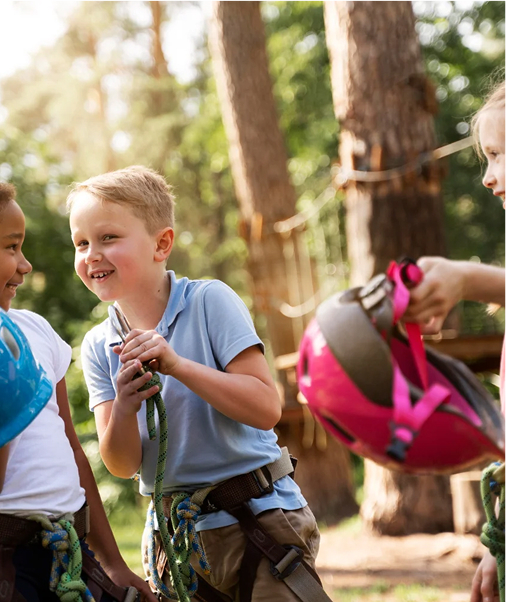

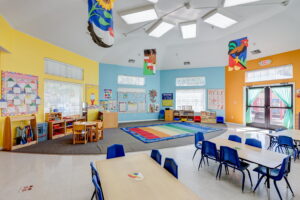
The Complete Guide to Pre-K in San Jose
What kindergarten readiness actually means, how reading develops in the year before school, and what a well-designed Pre-K week looks like —
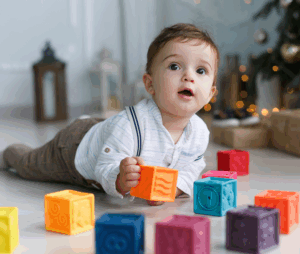
Infant Care in the First Year: What It Builds and When to Start
Babies learn by reaching, touching and watching. How a safe, responsive infant room turns everyday exploration into language and confidence, and what
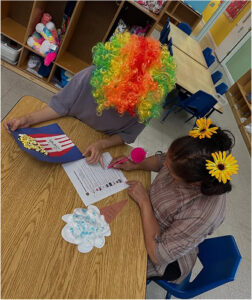
Full-Time Daycare vs Part-Time Preschool in San Jose: Which Is Better?
Full-time daycare covers a working parent’s whole day; part-time preschool runs shorter sessions. A side-by-side look at learning, social development, flexibility and
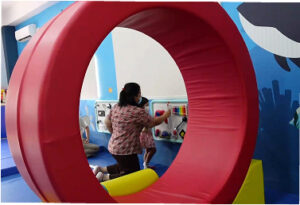
What a California Preschool License Actually Guarantees
Staff ratios, background checks and facility standards are set by the state, not the school. Why licensing, qualified teachers and open parent
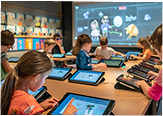
How Toddler Programs Build Social and Communication Skills
Toddlers learn to share, ask and cooperate through daily practice, not instruction. How structured routines, guided play and positive relationships build social
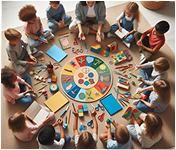
Why San Jose Families Are Choosing Private Preschools
Smaller classes, individualized attention and flexible schedules are drawing San Jose families to private preschools. What is driving the shift, and what
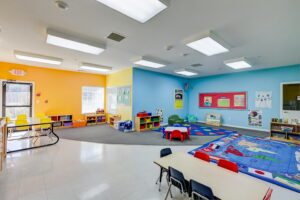
Play-Based Toddler Activities: What They Build and Why They Work
Sensory play, motor-skill work and nature exploration look like fun and function as development. Why play-based learning works, which activities support it,
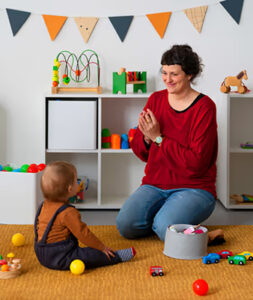
How Daycare Builds Social, Emotional and Communication Skills
Peer interaction, emotional regulation and everyday conversation are learned skills, not innate ones. How a structured daycare day gives children daily practice
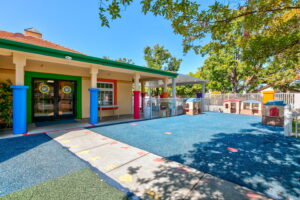
Choosing the Right Preschool in San Jose: 5 Things to Compare
Philosophy, safety, teacher quality, curriculum and classroom materials — five things worth examining before you enroll. A practical framework for comparing preschools